
Nigerian weddings in Europe: why Italy and Portugal are so attractive for Nigerian couples
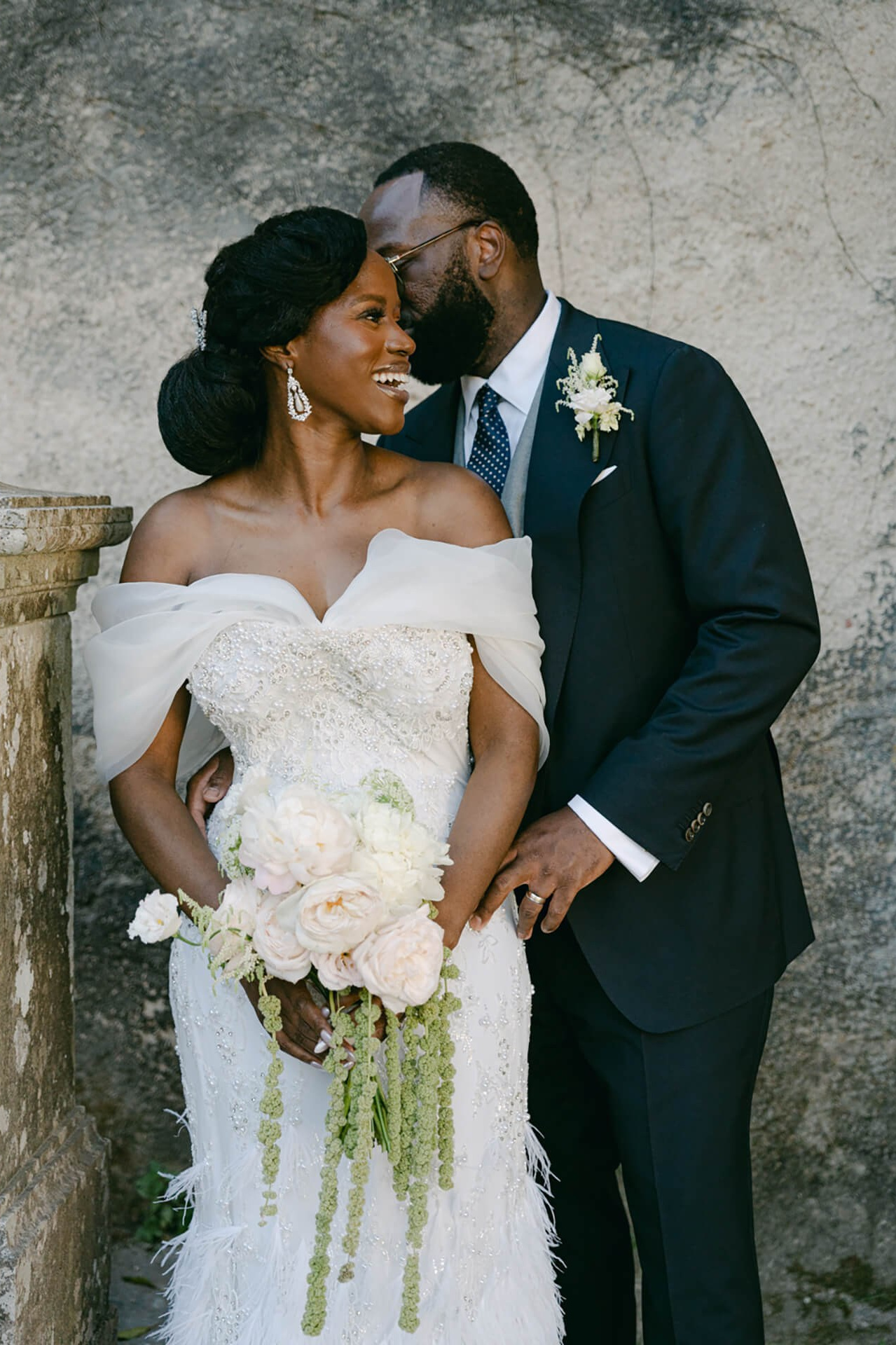
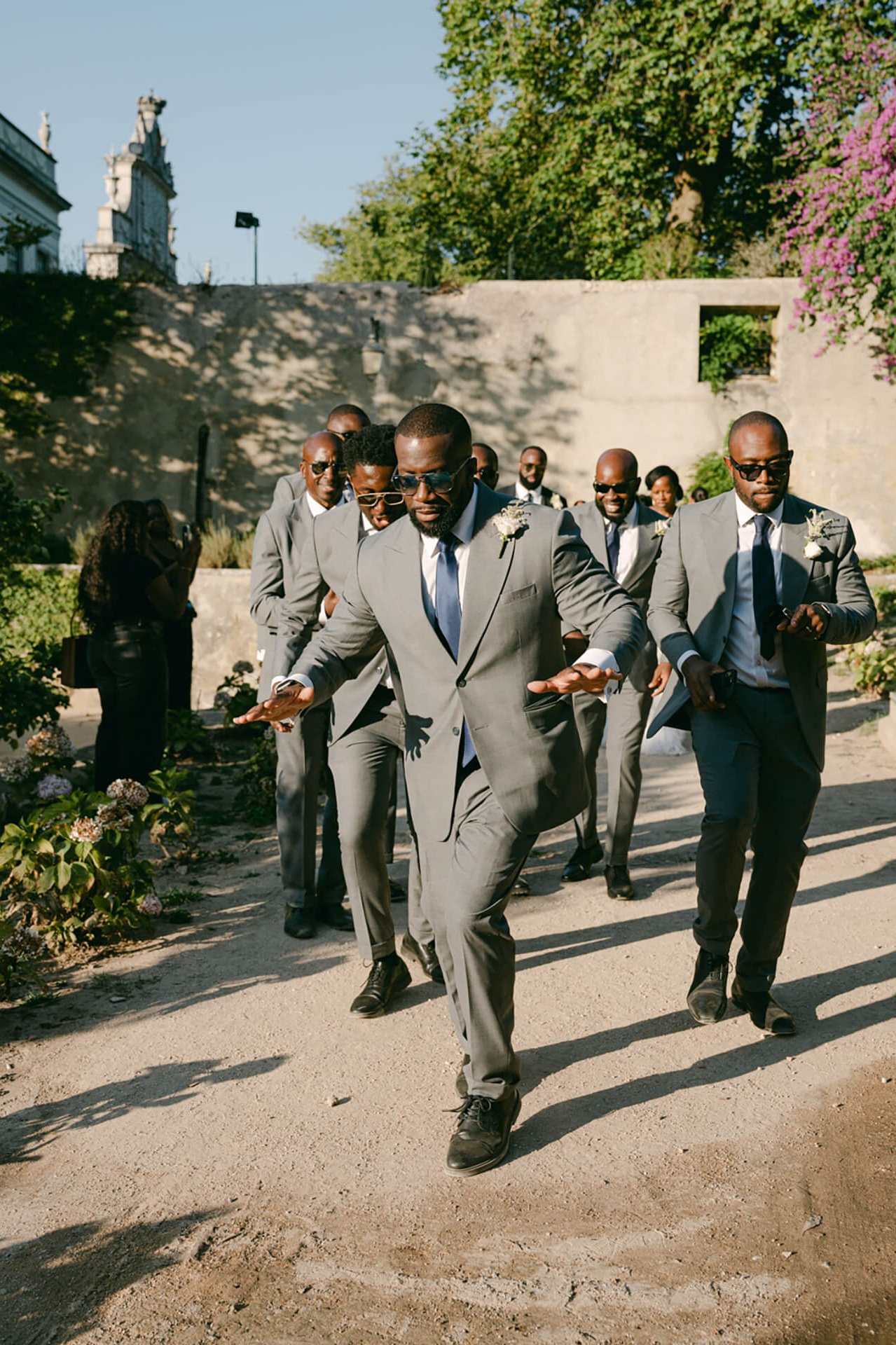
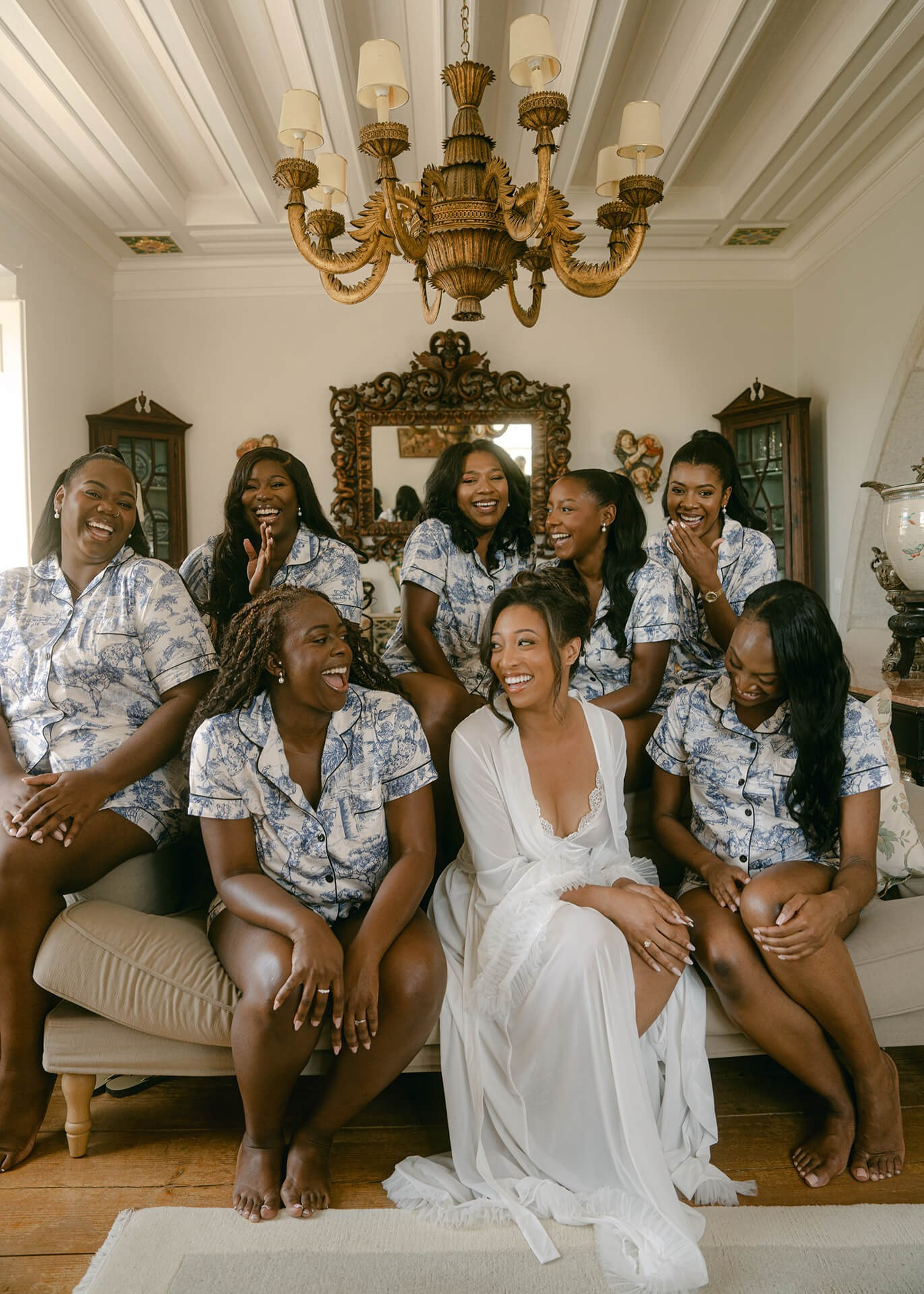
If you have ever browsed forums for Nigerian brides, you know: a Nigerian wedding is not just a day. It is an event that takes years to plan, lasts three days straight, and gets talked about for years afterwards in the family group chat. When such a wedding takes place by Lake Como, Italy or in a Sintra palace, Portugal, it becomes something impossible to put into words. You can only show it in a beautiful wedding gallery from a European wedding photographer, or in a luxury handmade wedding album.
I am a photographer. I have been shooting weddings in Italy and Portugal for many years. Nigerian destination weddings are a completely unique world in my work, one I approach with deep respect and, honestly, uncontained excitement.
Who these couples really are
Most of the couples who come to me live in London or Houston. They have the money, good budget, the taste, and a clear idea of what they want.
And almost all of them consider the same two countries: Italy and Portugal. Not Dubai or Miami, but Europe. The reasons are straightforward and practical: Lagos is a 6–8-hour flight, London is 2–3 hours, New York is 7–8. It is the only point on the map where both sides of the family can realistically travel together: the Nigerian side with their visa challenges, and the groom’s relatives from Ireland or Texas.
And right here, in the middle of this logistical puzzle, some of the most extraordinary weddings I have ever photographed are born.
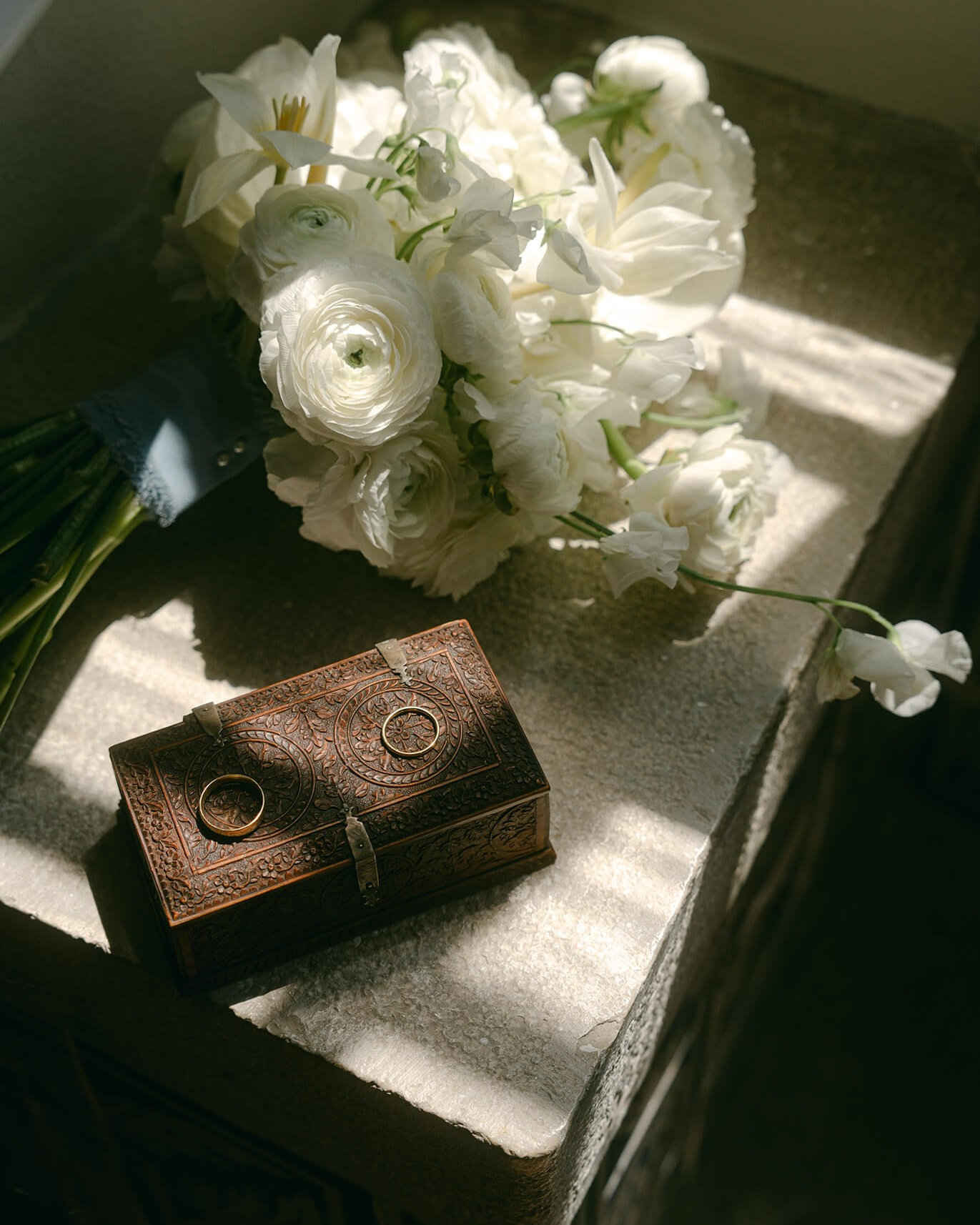
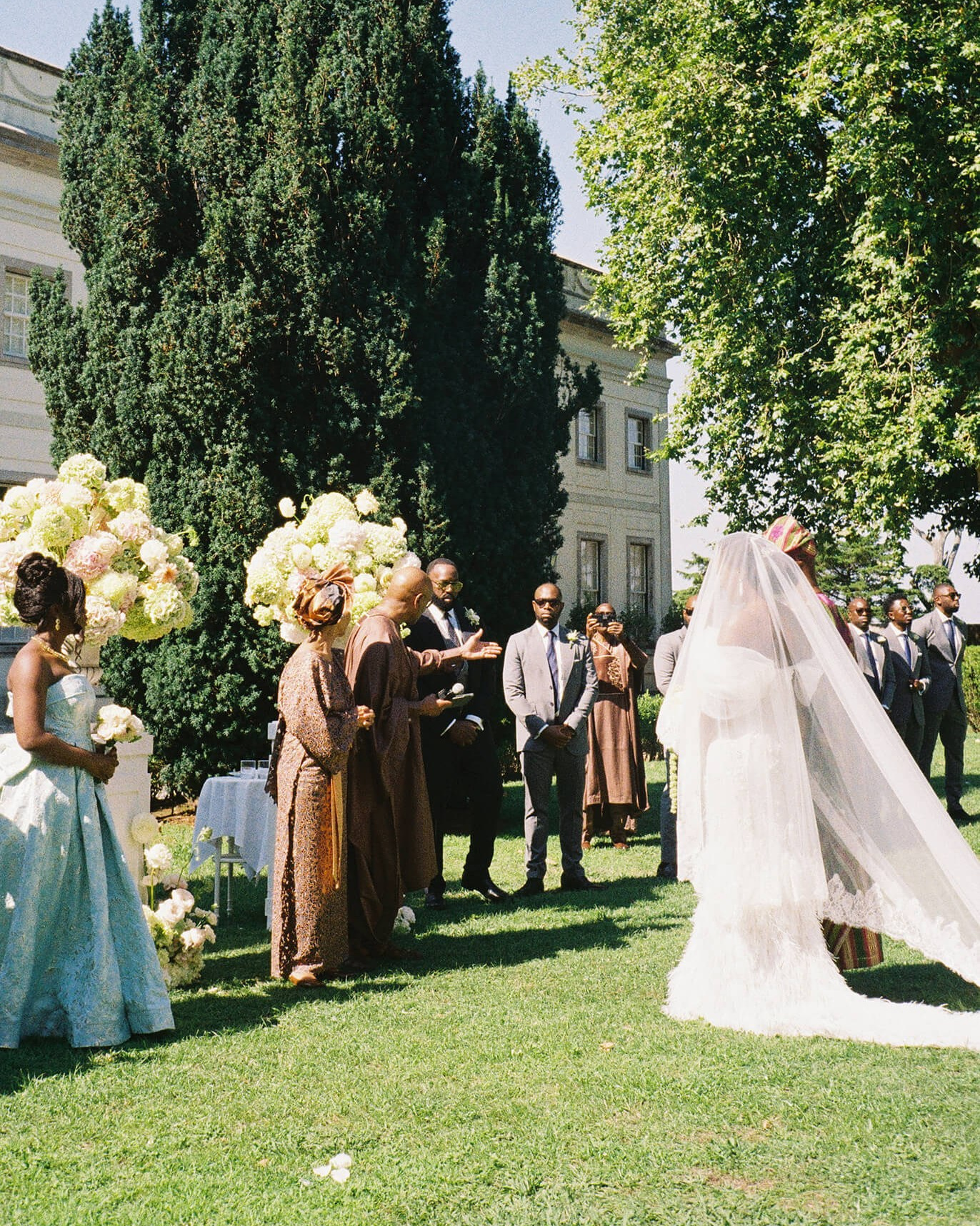
Before we talk about lighting, venues, or budgets, it is important to understand: a Nigerian wedding in Europe is not “a European wedding with Nigerian touches.” It is a full two- or three-day event with completely different ceremonies, each demanding its own attention.
The programme: day one is the traditional Nigerian ceremony and welcome lunch, day two is the white wedding and reception. No compromises: neither culture gives way to the other. This is not a blend; it is two equally important celebrations happening side by side under the roof of a Tuscan villa.
These couples describe it honestly: “We wanted both families together, with each tradition fully represented.” Not “a wedding with elements, ” but a proper two-day experience.
Let us look at what this actually looks like from the inside, and why choosing the right photographer for such a wedding is everything.
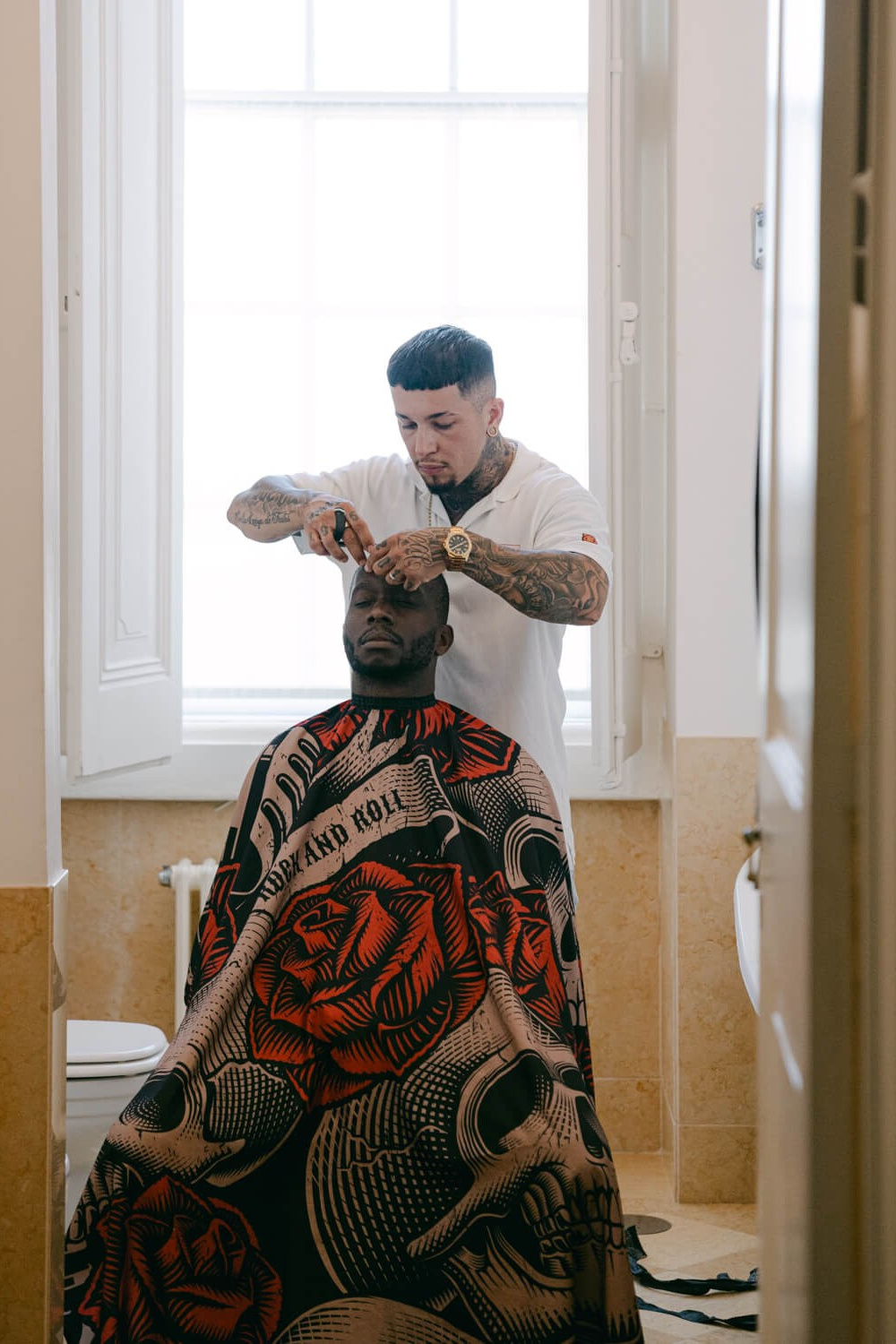
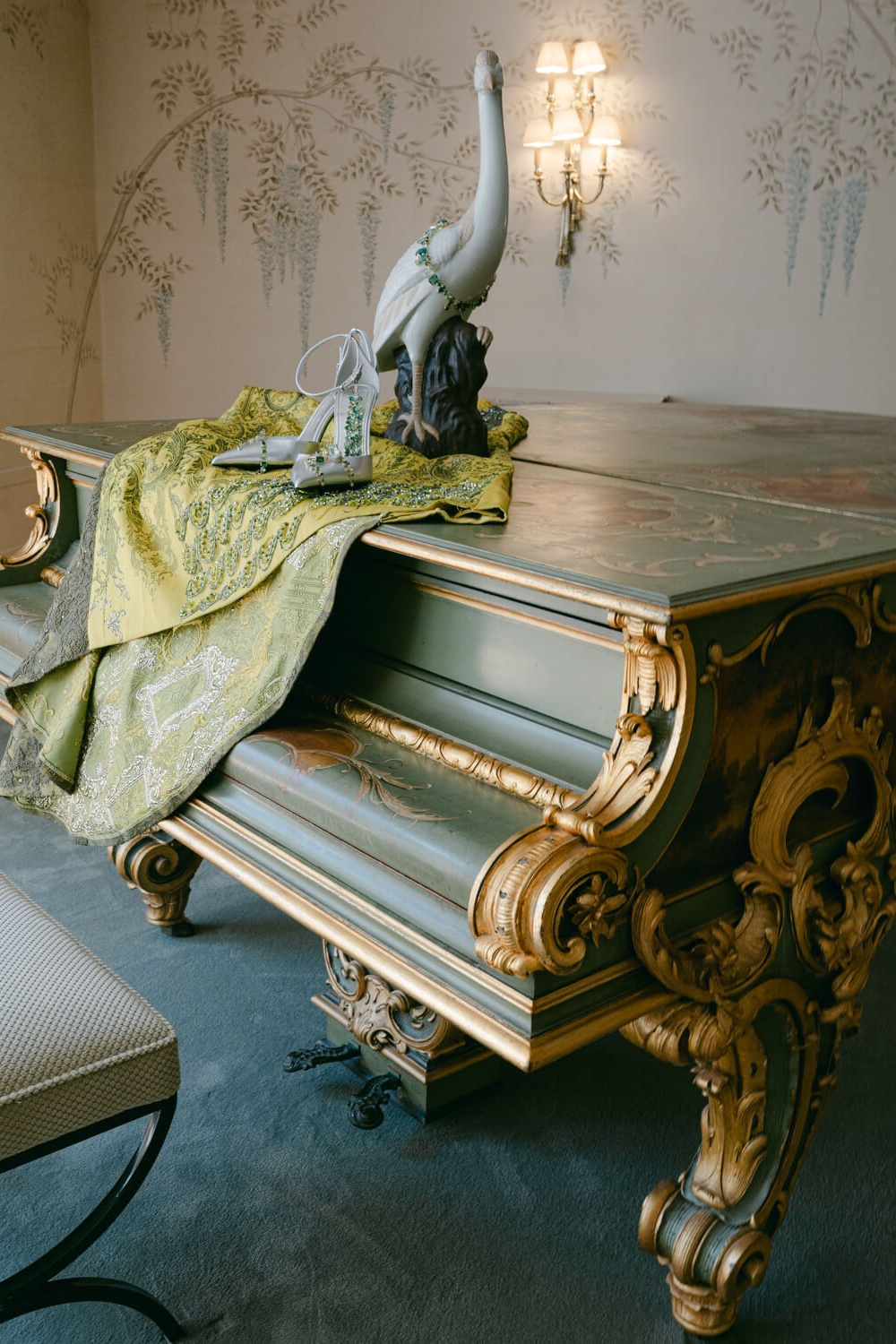
The format you need to understand before booking
The structure of a Nigerian destination wedding in Europe almost always follows this pattern:
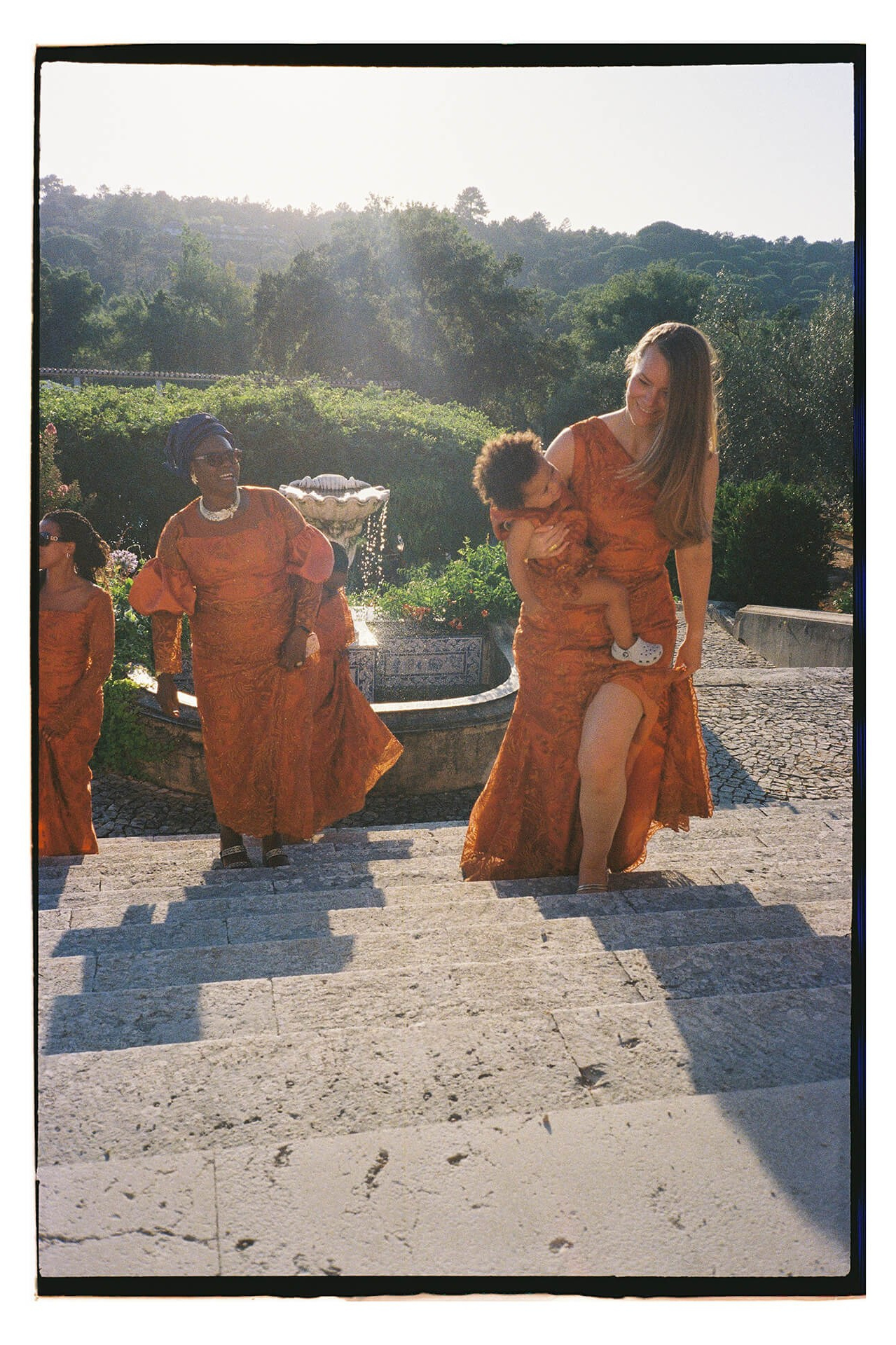
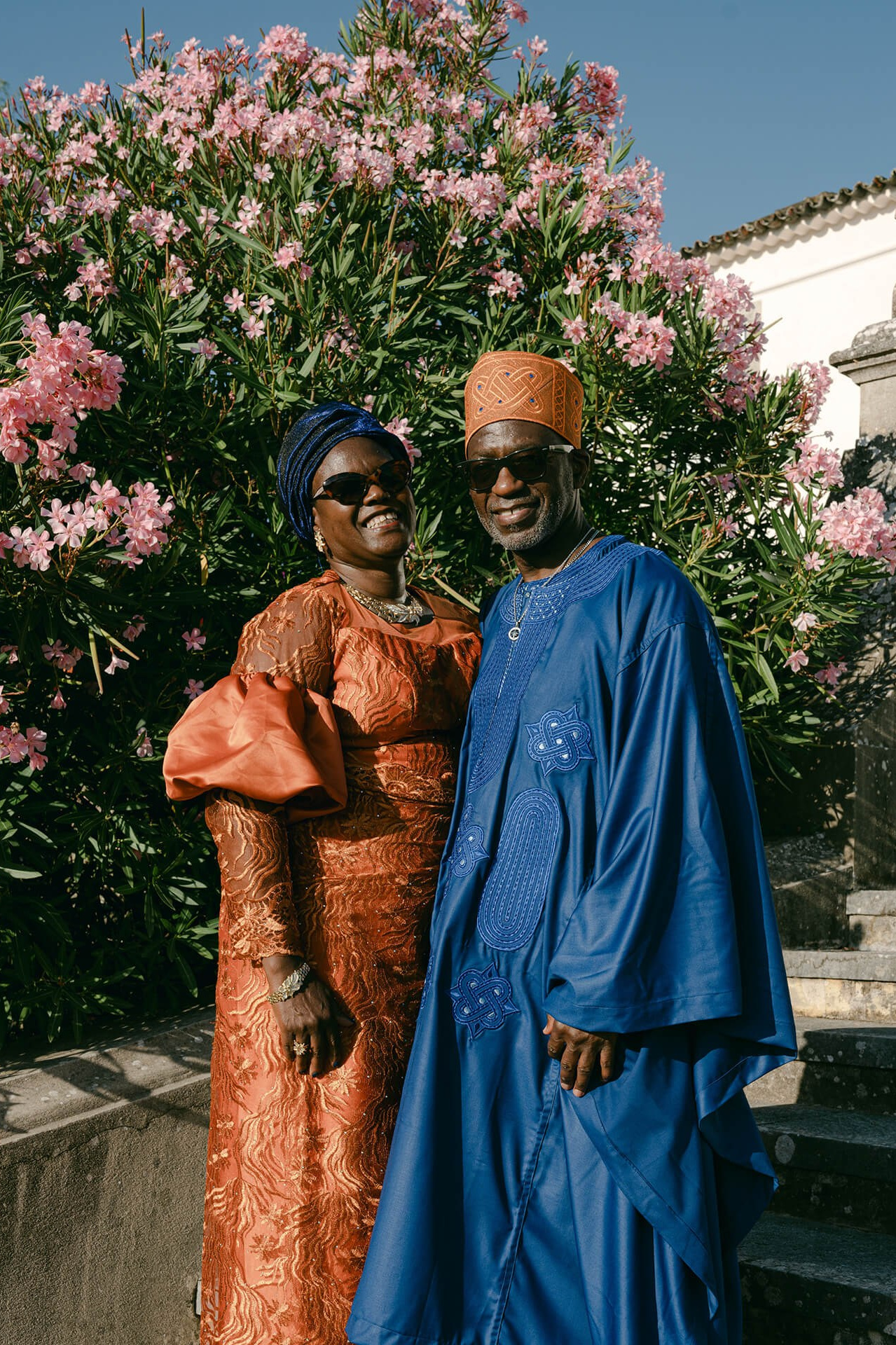
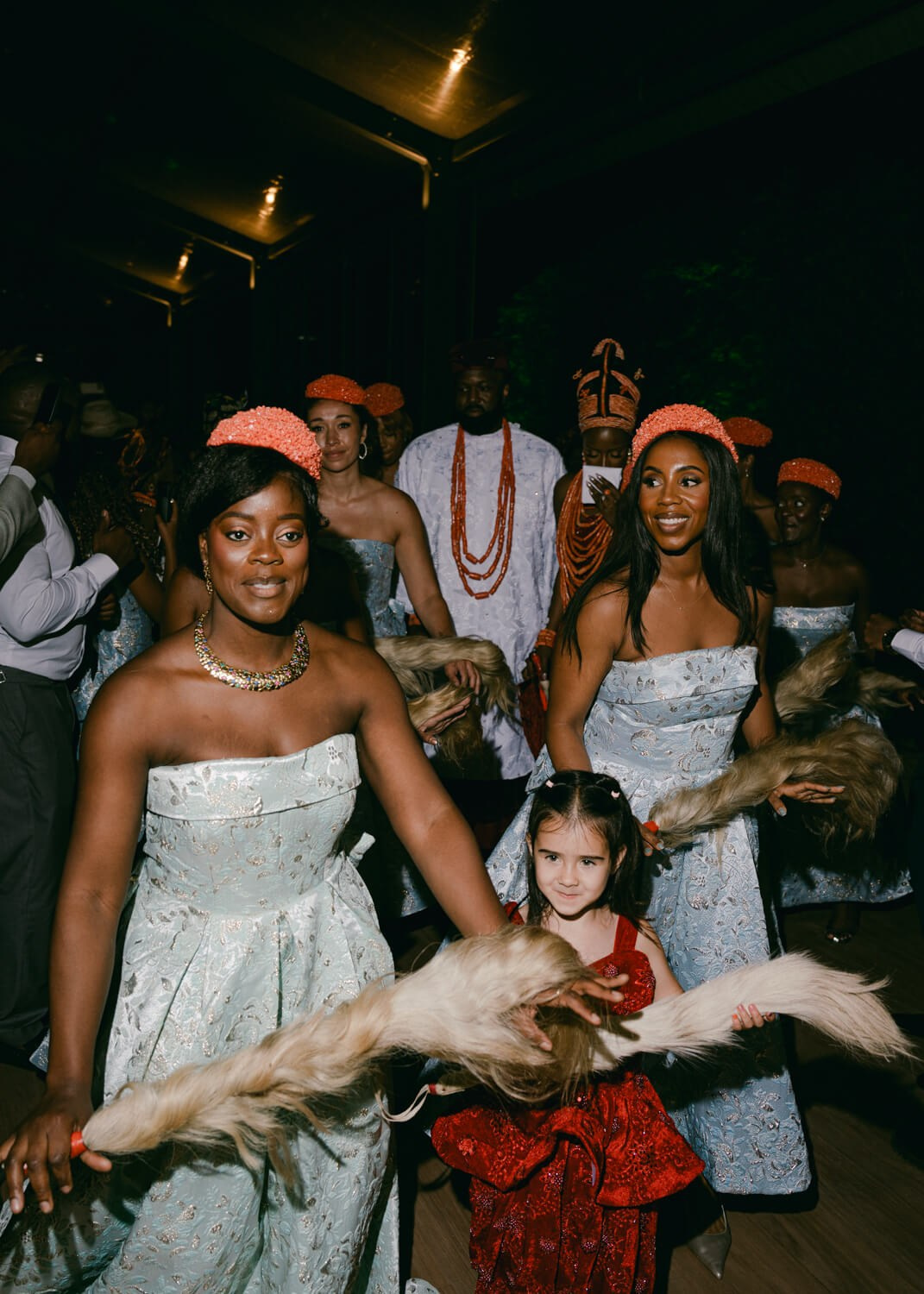
Day one: the traditional ceremony (Introduction). The bride in Iro and Buba or a George wrapper in her family’s colours, the groom in Agbada. Guests in Aso-ebi, a unified fabric that the bride selects in advance and sends to all her relatives. This is not just a dress code; it is a symbol of family belonging. Ceremonial music plays, elders speak, gifts are passed from hand to hand. Then comes the food, live music, dancing.
Day two: the white wedding. A church or civil ceremony, the dress, the veil, ring exchange. All the elements the European side expects. But with Nigerian energy: loud, joyful, and full of life at the reception.
Day three: the farewell breakfast. This is what people often overlook in planning, but it absolutely needs to be photographed. These are the most relaxed moments: smiling faces, relatives embracing, children on the grass, grandmothers in traditional outfits. Some of the most genuine shots of the entire wedding.
What makes a Nigerian wedding challenging for an average wedding photographer.
This is an honest discussion.
Most Italian or Portuguese photographers work in a soft, “airy” aesthetic: white dresses against white walls, muted tones. It is beautiful, but it suits a different kind of wedding.
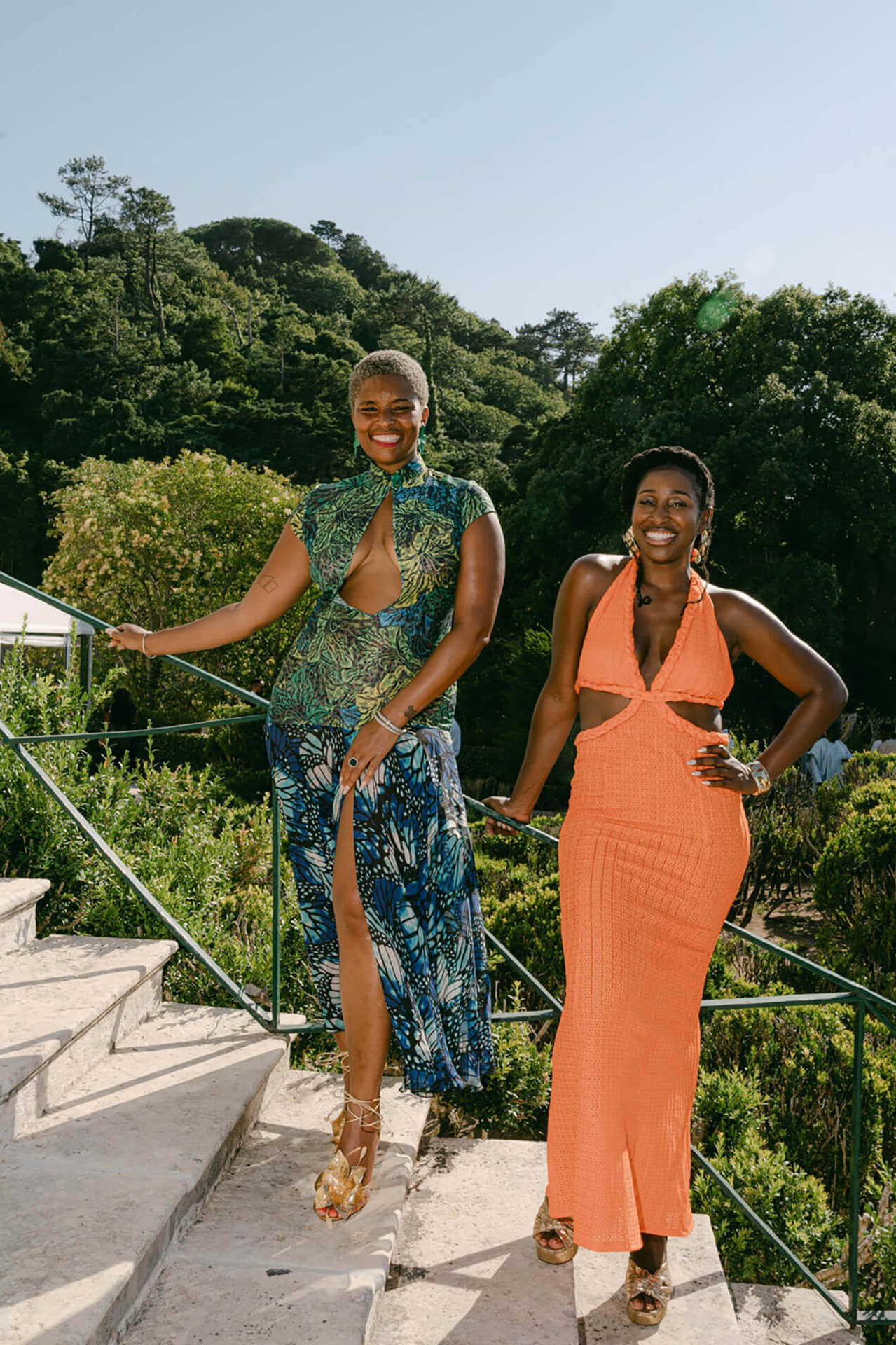
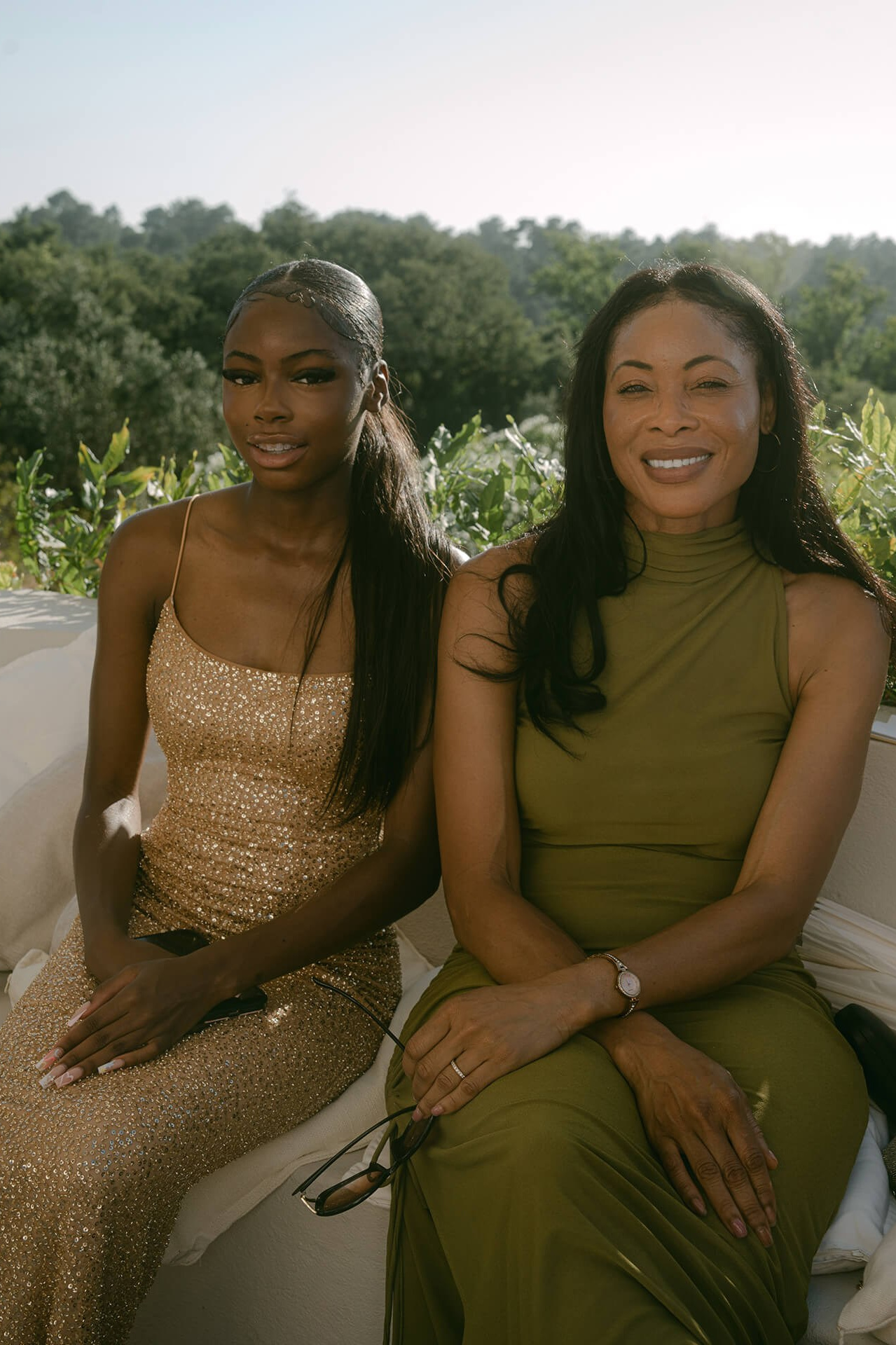
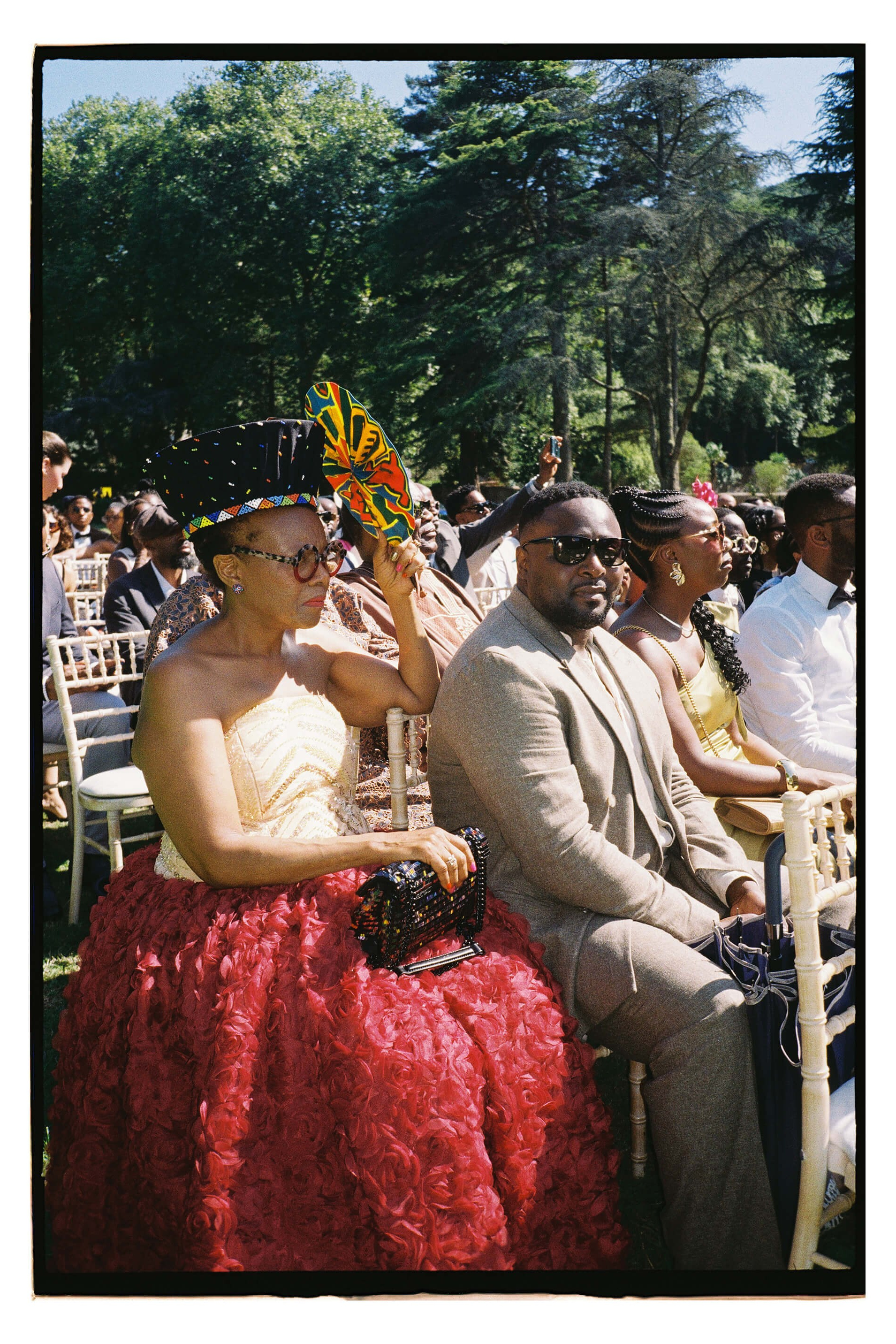
A Nigerian wedding is maximum saturation at every level. Aso-ebi in coral-gold or emerald, Gele as tall turbans in vibrant fabrics, the groom’s Agbada in embroidered white or cobalt. Flowers are tropical and bold. Emotions are loud and open. A photographer who cannot handle saturated colour, who does not know how to read the dynamics of a large Nigerian family, and who does not recognise when money spraying is about to start on the dance floor will miss half the wedding.
A Nigerian wedding is not the kind of event where you can arrive with one camera, shoot the first dance, and leave. It is a multi-day marathon that demands specific things.
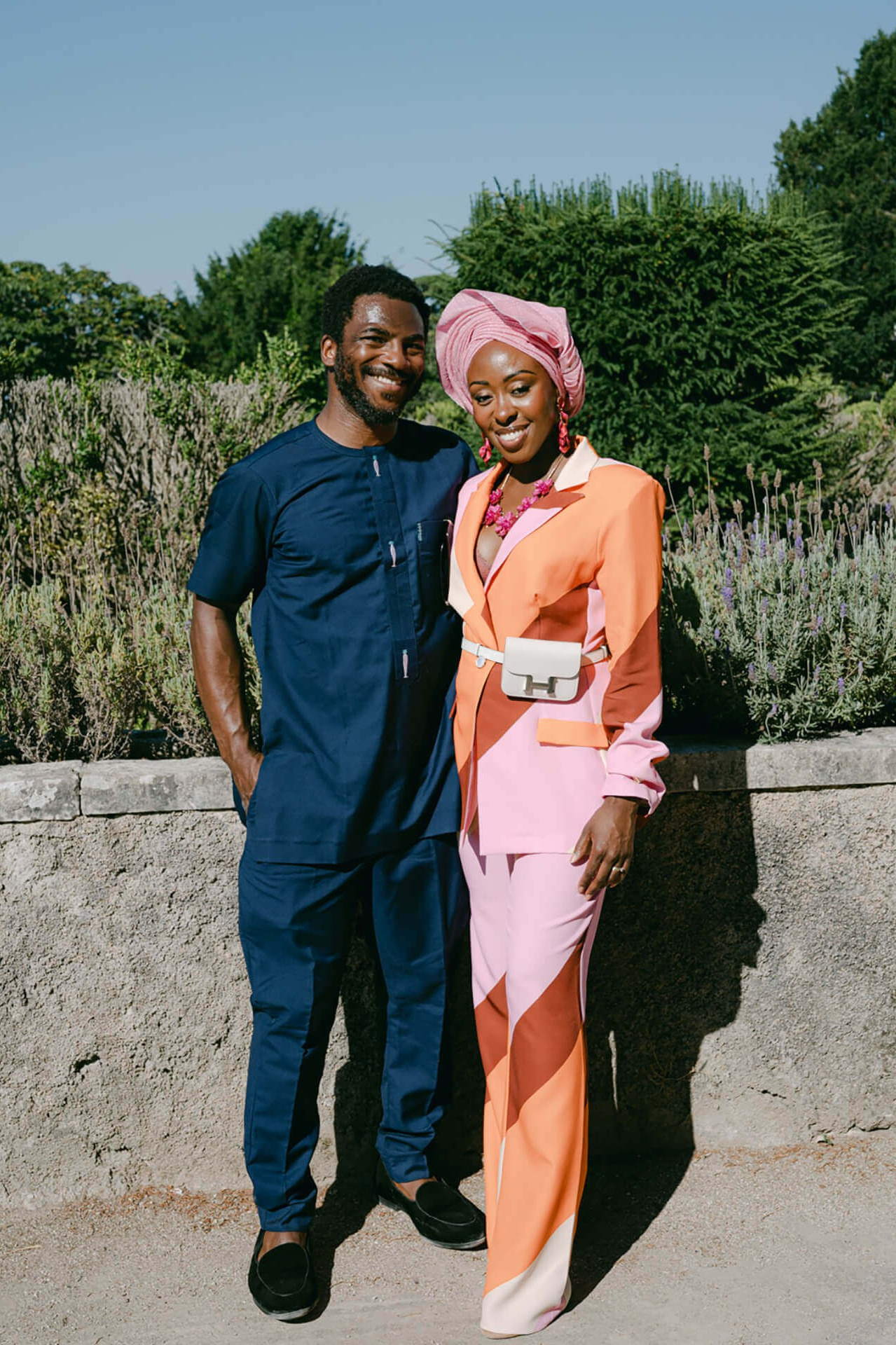
Cultural understanding. The photographer must know when to shoot and when to hold back. The traditional Introduction ceremony is not just a pretty ritual. It is the moment two families officially meet. An awkward photographer who gets in the wrong place can ruin it. One who understands what is happening captures moments that cannot be staged.
Nigerian weddings are also crowded. 100 guests in Italy is not “a lot”; it is standard. At that scale, one photographer cannot physically cover everything happening at once. Consider a professional team with a second photographer. For example, I always work with a second photographer on Nigerian weddings.
One more point that brides openly discuss on forums: the photographer needs European work documents. In Italy, particularly in popular areas like Lake Como, Tuscany, and the Amalfi Coast, checks on foreign contractors have become much stricter. A photographer based in Europe is not just convenient; it is legally safe for your date.
What Nigerian couples ask when choosing me as their wedding photographer
I have gathered the real questions I hear most often, and will answer them directly.
Have you worked on Nigerian weddings?
Yes! It was exciting experience and I am in love with a culture and people.
How many days can you cover?
Two days is the minimum. Three is ideal. The farewell breakfast on day three produces some of my favourite shots.
How do you handle bright colours?
I do not tone them down or neutralise them. Your coral-gold Aso-ebi against Tuscan cypresses should look exactly like that in the photos. It is not “too bright”; it is the truth.
Do you work with a second photographer?
For weddings with 60 guests or more, always. While the bride is changing behind closed doors, something important is already happening in the garden. One photographer cannot cover it.
Do you do film photography options or video?
I do both film and digital photography. I also happy to recommend great colleagues for the video coverage.
When should we book?
This is the most important question, and the answer is simple: as early as possible. While you are finalising the menu with the caterer, your date may already be taken by another couple.
Why Italy and Portugal specifically
Nigerian couples in the diaspora, in London, Houston, or Lagos, have long seen Europe as the ideal destination wedding spot. And the reasons go beyond just beautiful locations.
Italy offers the Amalfi Coast, Lake Como, Tuscany, Campania. Cliffs above the sea, villas with cypresses, marble floors, sunsets that literally burn orange. Couples planning Amalfi weddings know well: a three-day event with 60 guests easily runs to $90,000 or more, and people pay because the result is worth it. Lake Como is its own category: Villa del Balbianello, castles, private jetties. Budgets here quickly exceed $120,000, especially with multi-day events, florals, and catering.
For Nigerian weddings with larger budgets ($120,000–150,000) and a desire for maximum luxury, Italy has no rivals.
One important note that forums warn about openly: Italy has strict requirements for work permits for photographers from outside the EU, and enforcement, especially in the northern lake regions, is getting tougher. A Europe-based photographer is not just convenient; it is real security for your date.
Portugal offers something different. The same level of beauty, palaces in Sintra, Alentejo vineyards, Algarve ocean views, but 20–30% cheaper than Italy or France. For Nigerian couples with large guest lists (100–150 people is common here), that makes a real difference.
Prices for photography coverage for Nigerian wedding
Real numbers
For reference, what to budget for photography on a Nigerian destination wedding in Europe:
- Two-day coverage (traditional day + white wedding), one photographer: from €5,000
- Three-day coverage with two photographers: from €9,000
- Drone, film photography, a wedding album with a copy for parents: on request
Forums are full of the same regret over and over: “We saved on the photographer and regretted it.” Not the florist, not the cake. The photographer. Because everything else fades within days of the wedding, but the photos remain forever, and they are what you will use to tell this story to your children.
A Nigerian wedding in Europe is not just beautiful. It is complex, layered, rich in culture and emotions that demand a photographer who truly understands what they are capturing.
If you are planning a Nigerian wedding in Italy, Portugal or any other European country, lets' get in touch.
Tell me about your date, number of the guests and format. I would love to capture your wedding story in beautiful story-telling.